Our History
A Legacy of Supporting Independence

South Bannock Group Home Opens
South Bannock Group Home opened in May 1982 as an Intermediate Care Facility for Individuals with Intellectual Disabilities (ICF/ID), providing residential services for fifteen adults with developmental disabilities. The home was developed by Health West, Inc. in response to a growing need for residential services in the Southeast Idaho community, particularly for individuals with significant developmental disabilities whose families lived in the area.
The program was funded through Title XIX (Medicaid), establishing a foundation for the residential services that continue to be an important part of Developmental Options today.
South Park, Inc. Is Formed
In May 1985, South Park, Inc. was formed and its association with Health West, Inc. came to an end. The organization continued building on its commitment to providing residential and community-based services for individuals with developmental disabilities.
Rulon House Opens
As the need for residential services continued to grow, Rulon House opened in March 1987. The eight-bed home provided another ICF/ID residential option for adults with developmental disabilities and was also funded through Title XIX (Medicaid).
Located on Rulon Street, the home expanded South Park, Inc.'s ability to provide safe, supportive residential care within the community.
Eastside Place Opens
In April 1988, South Park, Inc. opened Eastside Place, a day activity training program serving residents of South Bannock Group Home and Rulon House. Located on South 6th Avenue, the program provided opportunities for individuals to develop skills and participate in meaningful daily activities beyond their residential settings.
Community Support Services Begins
South Park, Inc. began its Community Support Services Program in August 1988. The program was created to support individuals with developmental disabilities who wanted to live in their own homes and apartments within the community.
This marked an important step toward more individualized, community-based support. Today, this work continues through the organization's Residential Habilitation services in Pocatello.
New Accessible Homes Open
In February 1991, residents of the original South Bannock Group Home moved into two new eight-bed homes, allowing the original fifteen-bed facility to close. The new homes were designed to be state-of-the-art, fully wheelchair accessible, and intentionally modeled after typical homes that anyone would be proud to own.
One home, at 3875 South Bannock Highway overlooking Riverside Golf Course, retained the name South Bannock Group Home. The second, at 1722 Church Hill Downs in the Olympus Heights subdivision, opened as Church Hill Downs Group Home.
Benton Development Center Opens
In 1995, South Park, Inc. opened Benton Development Center, a center-based program focused on helping individuals develop skills for everyday living.
After two years, the organization moved away from a center-based model and provided services directly in people's homes or within the community where activities naturally took place. This approach proved highly successful, allowing participants to learn and practice skills in real-world settings.
Services Expand to Shelley
In 1999, South Park, Inc. expanded beyond Pocatello by taking over management of a small program in Shelley, Idaho, serving two individuals through Residential Habilitation services.
The program eventually grew to support four individuals living in a duplex setting, with Residential Habilitation and Personal Care Services providing the primary supports. The Shelley program continued until 2014.
Vocational Services Begin
South Park, Inc. initiated a vocational services program in 2000, primarily focused on community-supported employment. Participants received assistance from job coaches along with ongoing supports designed to help them succeed in competitive employment within the community.
Although the program was highly successful for the individuals it served, the organization was unable to generate enough referrals to make the program sustainable. Vocational services were discontinued in 2003.
Adult Day Care Is Introduced
In 2002, South Park, Inc. introduced an Adult Day Care program in response to a need within the community.
The program closed in 2004, but increased referrals led to its reopening in 2009. It continued until 2012, when the organization determined that a lack of referrals made it appropriate to close the program.
Administrative Office Building Is Purchased
In December 2004, South Park, Inc. purchased the administrative office building it occupies today. This was the organization's first real estate purchase since its founding and represented an important milestone in its continued growth and stability.
Residential Habilitation Home Is Purchased
In July 2006, South Park, Inc. purchased a private home at 3801 Stockman Road for use in its Residential Habilitation program. Three individuals lived in the home and were able to experience a more typical, independent lifestyle with individualized support.
The property was eventually sold in 2017 following changes to applicable rules and requirements, while the individuals who lived there continued to reside in the home.
Benton Development Center Closes
After providing years of functional learning opportunities, Benton Development Center closed in 2007. The decision was driven by the organization's inability to secure enough qualified staff to maintain the program's licensure.
The experience reinforced the organization's commitment to providing services in individualized, community-based settings whenever possible.
Targeted Services and Early Service Coordination Conclude
Targeted Service and Early Service Coordination programs provided advocacy and support for both adults and children with developmental disabilities, helping ensure participants received the scope and quality of services to which they were entitled.
Changes to reimbursement structures eventually led to the closure of these programs in 2010.
Adult Day Care Program Closes
After reopening in 2009 in response to renewed community demand, the Adult Day Care program concluded in 2012. The decision to close was based on a decline in referrals and reflected the organization's ongoing effort to focus resources on services that were most needed and sustainable within the community.
Shelley Program Concludes
The Residential Habilitation and Personal Care Services program in Shelley, which had grown from serving two individuals to four, was discontinued in 2014.
The organization continued to focus its efforts on providing individualized residential and community-based services in the Pocatello area.
Stockman Road Property Is Sold
In 2017, the residential property on Stockman Road was sold following changes to the rules governing the use of the property. Importantly, the individuals who had lived there continued to reside in the home, maintaining the stability and continuity of their living arrangements.
McCoy House Opens
Construction of McCoy House was completed in January 2019. The new eight-bed ICF was built next to the organization's administrative office on Arthur Avenue.
The opening allowed residents of Rulon House to move into the new home, allowing Rulon House to close. Residents from Rulon House ultimately moved to the home at 1722 Church Hill Downs, which was later renamed Olympus Heights Group Home.
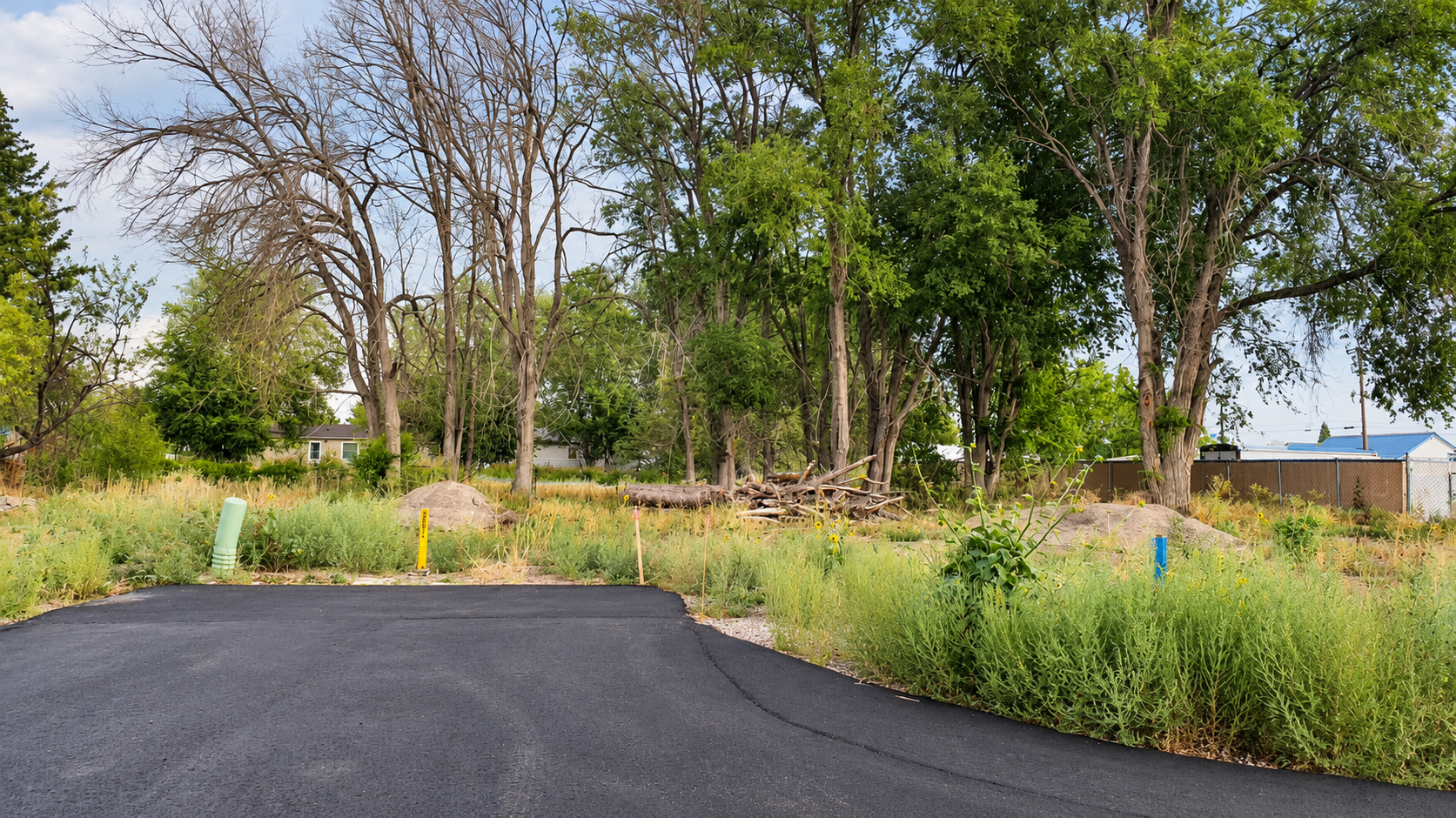
In 2026, we broke ground on a 4th ICF/IID located on Luck St. in Chubbuck.
Today
Continuing a Legacy of Community-Based Support
From its beginnings with a single fifteen-bed home in 1982, Developmental Options has continued to evolve alongside the needs of the individuals and families it serves. Over the years, the organization has expanded and adapted its residential, habilitation, advocacy, vocational, and day services, continually seeking better ways to support individuals with developmental disabilities.
Today, Developmental Options continues that commitment through individualized residential and community-based services designed to help people live meaningful, fulfilling lives while remaining connected to their homes, communities, and the people who matter most to them.